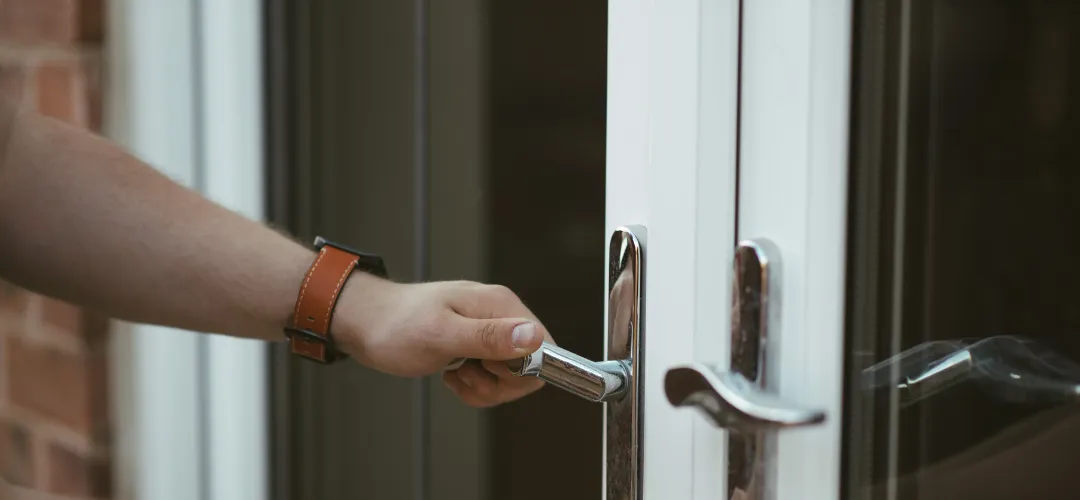
Your old mortise lock grinds, sticks, and fights your key. Lock installation, repair & rekey services can sort it out, but which one do you actually need?
That question matters more than it seems. Some mortise locks have been guarding doors for fifty years and need nothing more than a cleaning and a fresh set of springs. Others are worn out, cracked, or so outdated that no amount of tinkering will bring them back.
The trick is knowing which camp your lock belongs in before you spend money on the wrong fix.
What Is a Mortise Lock and Why Is It Different?
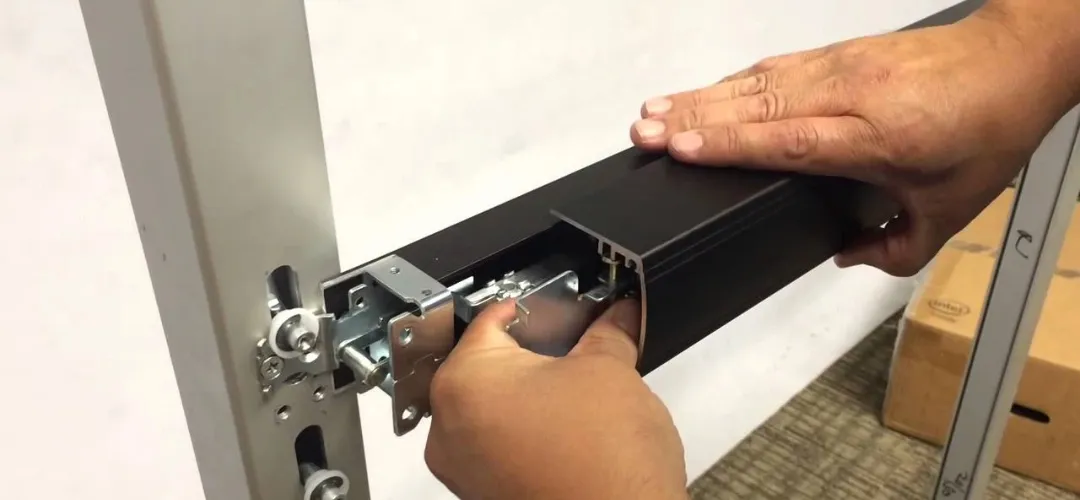
A mortise lock is a lock whose body sits inside a deep pocket, called a mortise, cut into the edge of the door. Most modern locks are the “cylindrical” type, where a knob or lever holds the mechanism. A mortise lock packs its latch, deadbolt, springs, and levers into one rectangular steel box instead.
You will find them on older homes, apartment buildings, offices, schools, and historic properties. They are tough, and many are built to last for decades. That durability is exactly why people hesitate to replace them.
Here are the main parts worth knowing:
- Lock case: The steel box inside the door that houses the working parts.
- Latch bolt: The spring-loaded piece that keeps the door shut until you turn the handle.
- Deadbolt: The heavier bolt that locks when you turn the key or thumb turn.
- Cylinder: The part your key goes into. This is what gets rekeyed.
- Spindle: The small rod that connects the knob or lever on each side.
- Strike plate: The metal plate on the door frame that catches the bolts.
- Escutcheon or trim: The decorative plate around the handle and keyhole.
Knowing these names helps you describe the problem clearly, which makes any lock repair faster and cheaper.
Signs Your Mortise Lock Can Be Repaired
Most mortise lock problems are fixable. Because the lock case is built from heavy steel, it tends to outlast the small parts inside it. Here are the symptoms that usually point to a repair.
The key turns stiffly or sticks
A key that drags, catches, or needs a jiggle is often a sign of dirt, old lubricant, or worn pins inside the cylinder. A professional can clean and lubricate the cylinder, or swap it for a new one. This is a quick job and far cheaper than replacing the whole lock.
The latch is slow or fails to spring back
If the door will not latch cleanly, a worn or broken spring inside the case is a common cause. Think of it like the spring in a ballpoint pen. When it gets tired, the click stops working. A locksmith can open the case and replace the spring without touching the rest.
The handle is loose or wobbles
A wobbly knob or lever usually means a loose set screw or a worn spindle. Both are small, inexpensive parts. Tightening or replacing them often restores the lock completely.
The door does not line up with the strike plate
Here is a problem people blame on the lock when the lock is fine. Doors shift with humidity, settling hinges, and years of use. If the bolt no longer hits the strike plate squarely, adjusting or moving the plate can fix it. No new lock required.
The lock works, but the key situation is a mess
Maybe a former tenant still has a copy. Maybe you lost a key years ago. This is a security issue, not a mechanical one, and it points to rekeying rather than replacing.
When Rekeying Is the Smarter Fix
Rekeying means changing the internal pins of the cylinder so that old keys no longer work and a new key does. The lock itself stays in place. In simple terms, you keep the hardware and change who can open it.
Rekeying makes sense when:
- You just moved into a new home or took over a rental or office.
- A key was lost or stolen, and you want to shut out whoever has it.
- An employee or former roommate left with a key.
- You want several doors to open with one key.
- The lock works fine but you do not know who holds copies.
This is often the best value in any lock installation, repair & rekey project. Rekeying costs less than new hardware, and it solves the real problem, which is access.
One caution: rekeying only helps if the lock itself is in good shape. A worn-out cylinder that is already sticking is better replaced than rekeyed.
Signs Your Mortise Lock Needs Full Replacement
Sometimes repair is a Band-Aid on a bigger issue. Here is when replacement becomes the more sensible choice.
The lock case is cracked, bent, or heavily corroded
The case holds everything together. If it is cracked, rusted through, or warped from a forced entry attempt, internal parts will keep failing no matter how many you swap. At that point, a new lock is the honest answer.
Replacement parts are no longer available
Some older or lesser-known mortise lock brands stopped being made years ago. If a locksmith cannot find a spring, a cylinder, or a latch that fits, repair may be impossible. Sometimes a similar part can be adapted, but the cost of hunting for rare parts can pass the cost of a new lock.
The lock has been repaired again and again
If you have fixed the same lock three times in two years, it is telling you something. Every repair buys less time than the last. Replacing it gives you a clean start.
The lock no longer meets your security needs
Security ratings exist for a reason. Many locks installed decades ago offer far less protection than a modern, high-grade mortise lock. If the door guards something you care about, such as a business, a storefront, or a family home, an upgrade may be worth it even when the old lock still works.
There has been a break-in or forced entry
After an attempted break-in, the lock may look fine but be damaged inside. Bent bolts, a weakened case, and a damaged door edge are all common. A professional inspection is smart, and replacement is often the safest call.
A Simple Way to Decide: Repair vs. Replace
When you are standing at the door wondering what to do, this quick comparison can help.
| Symptom | Likely Fix |
| Key sticks or feels rough | Cylinder cleaning or replacement |
| Handle is loose | Tighten or replace the spindle and set screws |
| Latch won’t retract or spring back | Replace the spring or latch |
| Door misses the strike plate | Adjust the strike plate or door |
| Unknown keys exist | Rekey the cylinder |
| Cracked or rusted case | Full lock replacement |
| Parts no longer made | Replacement |
| Repeated repairs | Replacement |
As a rule of thumb, if the problem sits in a small, replaceable part, repair. If the problem sits in the lock case or the lock is no longer supported, replace.
What Affects the Cost of Mortise Lock Repair or Replacement?
No honest professional can quote a price without seeing the lock. A few things shape the final number:
- The extent of the damage. A new spring costs far less than a new lock body.
- The brand and model. Common brands are easy to service. Rare or antique mortise locks can take extra time.
- The grade of the new lock. Heavier-duty commercial mortise locks cost more than residential ones.
- Door preparation. Mortise pockets come in specific sizes. If the new lock does not match, the door may need adjusting, which adds labor.
- The number of doors. Rekeying several locks at once is usually more efficient than doing one at a time.
- Specialty hardware. Electrified or fire-rated setups can have extra requirements.
Ask for a clear breakdown of parts and labor before work starts.
Can You Fix a Mortise Lock Yourself?
Some small tasks are fair game for a careful homeowner. You can tighten visible set screws on a loose handle. You can clean the keyway with a dry lubricant made for locks, and you can check whether the strike plate lines up with the bolt.
Be careful with heavy oils and sprays. They can attract dust and gum up the pins over time. Dry graphite or a lock-specific lubricant is the safer choice.
Beyond that, the risks go up. Opening the lock case, removing the cylinder, or forcing a stuck bolt can damage a part that was fixable. Mortise locks also have many small springs and levers that are easy to lose or misplace. If you are not sure what you are looking at, stopping is smarter than guessing.
Why a Professional Lock Installation, Repair & Rekey Service Is Worth It
A mortise lock is more complex than most door hardware, and that is where an experienced locksmith earns their keep. A technician can diagnose the problem by feel and sound, tell you honestly whether repair will hold, and match replacement hardware to your door without guesswork.
Professional lock installation also protects your door. A badly fitted mortise lock can weaken the door edge, leave gaps that make forced entry easier, or cause the bolt to bind. Getting it right the first time saves headaches later.
Getting the Right Fix for Your Mortise Lock
A mortise lock rarely fails all at once. It gives you hints: a stiff key, a loose handle, a latch that hesitates. Catching those signs early usually means a quick repair or a rekey instead of a full replacement, and that keeps your door secure without wasting money.
So the next time your lock grinds, sticks, or leaves you wondering who else holds a key, reach out to Klever Locksmith Services. We provide professional lock installation, repair & rekey services, backed by a team of experts who have spent years helping property owners keep their doors working and their keys under control. Call (323) 393-8056 or visit https://kleverlocksmith.com/lock-installation-repair-rekey/ to learn more about how we can help you.
Frequently Asked Questions
How long does a mortise lock last?
With decent care, many mortise locks last decades because of their heavy steel construction. Internal springs and cylinders wear out sooner than the case.
Can you rekey a mortise lock?
Yes. Most mortise lock cylinders can be rekeyed so a new key works and old keys do not. It is typically cheaper than replacement and does not require changing the lock body.
How do I know what size mortise lock I need?
Measure the existing lock’s case size, backset, and faceplate dimensions. Better yet, have a locksmith check, since small mismatches can mean modifying the door.
Why is my mortise lock key stuck?
Common causes include a dirty or worn cylinder, a bent or damaged key, or a bolt under pressure from a misaligned door.
Should I replace or repair an old mortise lock?
Repair it when the problem is a small part, like a spring or cylinder. Replace it when the case is damaged, parts are unavailable, or repairs keep repeating.