Commercial locksmith services rarely cross a new owner’s mind until the week before opening, when someone asks a simple question: “Who actually has keys to this place?” Nobody knows. The landlord kept a copy, the last tenant handed out several, and the contractor who finished your build-out drove off with one in his truck.
That moment happens more often than most owners admit. You have spent months on inventory, staffing, and signage. Meanwhile, the only thing protecting all of it overnight is a lock you have never inspected.
This article walks through eight security checks to complete before you open. Each one is practical, and most can be done in a few days if you start early. Think of it as a pre-flight checklist for your store.
Why Retail Security Starts Before Your Grand Opening
A retail store holds cash, merchandise, point-of-sale equipment, and customer data. It also has more doors, more foot traffic, and more employees than a typical office. That makes it a busy target and a complicated space to protect.
When you move into a new commercial space, you also inherit its history. You do not know how many keys exist, who has them, or whether the hardware has been abused. Fixing these gaps before opening is far cheaper than dealing with a theft, an insurance dispute, or an employee who still has access after leaving.
So, where should you start? With the locks themselves.
1. Rekey or Replace Every Lock on the Property
This is the single most important step, and it is usually the cheapest.
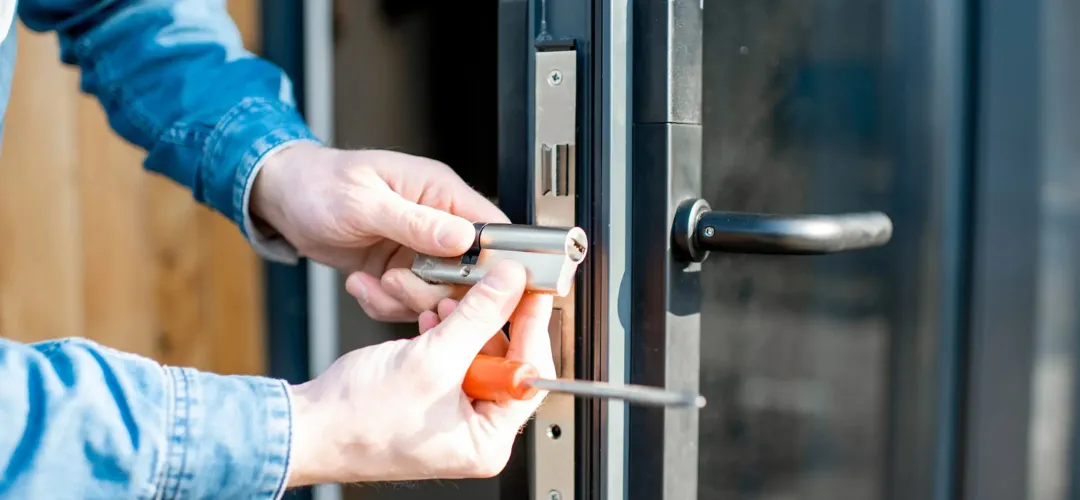
Rekeying means changing the internal pins inside a lock cylinder so that the old keys no longer work. A lock cylinder is the part your key slides into. In simple terms, rekeying makes the lock “forget” every key that was cut for it before. The lock stays in place, but only the new keys will turn it.
If the hardware is old, damaged, or low quality, replacement makes more sense. A professional commercial lock installation lets you upgrade at the same time.
Here is a quick way to decide:
- Rekey when the locks are in good shape and you simply need to cancel old keys.
- Replace when the hardware is worn, loose, or rated for light residential use.
- Do both when you have a mix of good and bad locks across different doors.
Do this for the front door, back door, stockroom, office, loading area, and any side or fire exits. Skipping one door defeats the purpose.
2. Inspect Door Hardware, Frames, and Strike Plates
A strong lock on a weak door is like a padlock on a paper bag. Burglars rarely pick locks. They kick, pry, or force the door instead, so the lock, the door, and the frame all need to hold up together.
Have a professional check these parts:
- Deadbolts. Look for a solid throw, meaning the bolt that slides into the frame should extend at least one inch. Commercial-grade deadbolts are built for heavy daily use.
- Strike plates. This is the metal plate on the frame that the bolt slides into. A short screw in a weak plate is one good kick away from failing. Reinforced plates with long screws go deep into the framing.
- Hinges. On outswing doors, exposed hinge pins let someone remove the door entirely. Security pins or non-removable hinges fix that.
- Door and frame condition. Warped, hollow, or cracked doors can be reinforced or replaced.
When shopping for commercial door hardware, you will see ANSI/BHMA grades. Grade 1 is the highest rating for durability and security, and it is the grade most retail spaces should aim for on exterior doors.
3. Set Up a Master Key System and Real Key Control
Now that the locks are secure, the next question is who gets to open them.
A master key system lets different keys open different sets of doors. For example, you might carry a master key that opens everything, a manager’s key that opens the office and stockroom, and a sales associate’s key that opens only the front. Nobody carries more access than their job requires.
Pair that with key control, which is the habit of tracking exactly who holds which key. A simple key log is a good start. A restricted keyway is even better. Restricted keys are patented or protected blanks, which means copies can only be cut by an authorized locksmith with your permission. That stops an employee from duplicating a key at a hardware store kiosk.
Here is a practical example. A manager quits, and three keys are unaccounted for. With a restricted system, you know no one made extra copies. Without one, you are either rekeying the whole store or hoping for the best.
4. Consider an Access Control System for Doors That Matter Most
Traditional keys work well, but they have one weakness: you cannot see who used them or when. That is where electronic access control comes in.
An access control system replaces or supplements keys with key cards, fobs, PIN codes, or even smartphone credentials. In plain language, it is a digital lock that remembers every entry.
For retail, access control is most useful on:
- Stockrooms and inventory storage
- Cash offices and safe rooms
- Server or network closets
- Employee-only entrances
The big benefit is flexibility. When an employee leaves, you cancel their card in seconds instead of rekeying locks. You also get an audit trail, which is a record of who entered each door and at what time. That record can be invaluable when inventory goes missing.
Cost depends on the number of doors, the type of electronic locks, and whether you want cloud-based management. Your locksmith can help match the system to your budget so you do not overbuy.
5. Test Panic Hardware, Exit Devices, and Emergency Egress
Security is not only about keeping people out. It is also about getting people out quickly in an emergency.
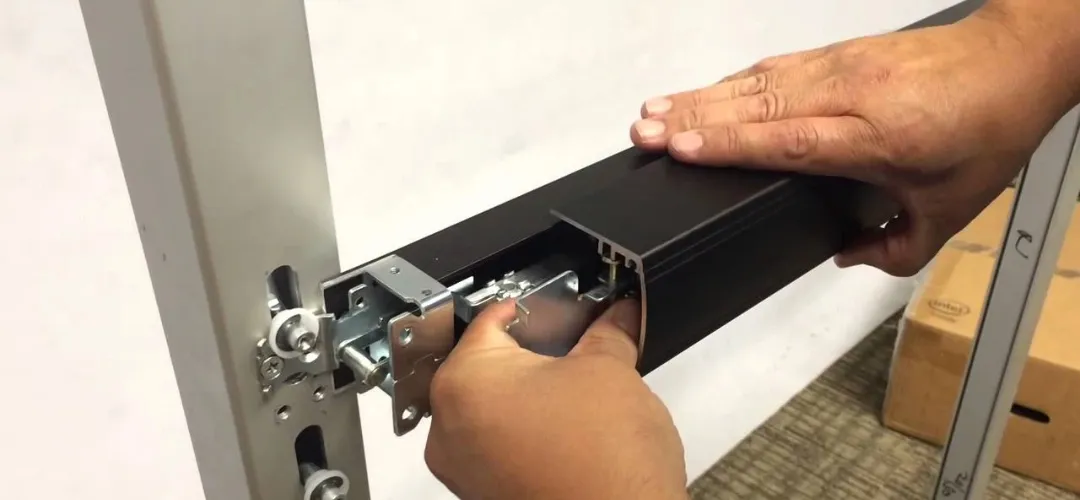
Most retail spaces use panic bars, also called exit devices. These are the push bars on emergency exits that open a door from the inside with a single motion. They need to work smoothly every time, even if the door is locked from the outside.
Before opening, make sure that:
- Every exit device latches and releases properly
- Doors are not chained, blocked, or locked in a way that traps people
- Door closers shut the door fully without slamming
- Any alarmed exit doors sound correctly when pushed
Fire and life-safety rules for egress vary by city and building type, so check with your local fire marshal or building department. A commercial locksmith can make sure the hardware is installed correctly and in working order, but the final code requirements come from your local authority.
6. Protect the Back of the House: Stockroom, Office, and Safe
Customers see the sales floor. Thieves look for the back room.
The loading door, stockroom, and manager’s office deserve the same attention as the front entrance, and often more. These areas hold your deliveries, cash deposits, paperwork, and sometimes employee personal items.
Start with these upgrades:
- Solid doors with commercial deadbolts on the stockroom and office
- A bolted-down safe for cash, receipts, and important documents
- High-security cylinders that resist picking, drilling, and bumping
Bumping, if you have not heard of it, is a technique where a specially cut key is used to trick a standard lock open in seconds. High-security cylinders are designed to stop it. For a store that handles cash or high-value goods, they are worth the extra cost.
Safe installation is another place where professional help matters. A safe that is not anchored properly can simply be carried out the door.
7. Check Windows, Glass Doors, Lighting, and Blind Spots
Storefronts are mostly glass, which looks inviting but creates risk. Walk the property at night, if you can, and look at it the way a burglar would.
Ask yourself:
- Are the storefront door locks and glass panels in good condition?
- Are there dark corners behind the building or near the loading dock?
- Can someone hide behind a dumpster, wall, or vehicle unseen?
- Do security cameras cover every entrance, the register area, and the stockroom?
Good lighting is one of the cheapest forms of protection. Bright, even light around entrances and rear doors makes people think twice. For cameras, aim for clear views of faces and doorways, not just wide shots of the parking lot.
If your store has large display windows, you may also ask about security film, which holds shattered glass together and slows forced entry. It is not a magic fix, but it buys time.
8. Write Opening and Closing Procedures, and Train Your Team
Even the best hardware fails if people use it carelessly. A propped-open back door, a code written on a sticky note, or a key left on the counter can undo thousands of dollars of upgrades.
Write simple opening and closing checklists. Cover who unlocks the store, who sets the alarm, how cash is handled, and who checks the back doors before leaving. Then walk every new employee through them.
Your checklist should also include:
- Where spare keys are stored and who may access them
- What to do if a key is lost or an employee leaves
- Who to call during a lockout or break-in
- How often locks, alarms, and access control are tested
Save the number of a reliable emergency locksmith in your phone and in your manager’s phone. If a door is damaged after hours, you want help fast, not a late-night web search.
Common Mistakes New Retail Owners Make With Security
After the eight checks, a few mistakes come up again and again:
- Trusting the landlord’s locks. You do not know who else holds a key.
- Buying residential hardware. Home locks are not made for the cycles of a busy storefront.
- Skipping the back door. Most forced entries happen away from the street.
- Handing out master keys freely. Convenience today becomes a headache later.
- Ignoring maintenance. Locks, closers, and exit devices wear down and need periodic service.
When to Call a Professional Commercial Locksmith
Some tasks, like writing a key log, you can handle yourself. Others are better left to a trained technician. Call in a pro when you need to rekey multiple doors, install a master key system, set up electronic access control, upgrade to high-security locks, or fix damaged frames and exit devices.
A professional will also look at the whole picture. Instead of selling you a single lock, they will walk the building, point out weak spots you may have missed, and suggest an upgrade plan that fits your budget and timeline.
Open Your Store Knowing Every Door Is Secure
Opening a store is stressful enough without wondering who else has a key. If you work through these eight checks, you will start day one with rekeyed locks, solid doors, controlled access, and a team that knows what to do. That is a strong foundation for a business.
So the next time you are walking your new space and picturing opening day, reach out to Klever Locksmith Services. We provide professional commercial locksmith services, from rekeying and lock installation to master key systems and access control, backed by a team that understands what retail businesses need to stay protected. Call (323) 393-8056 or visit https://kleverlocksmith.com/commercial-locksmith/ to learn more about how we can help you.
Frequently Asked Questions
How much do commercial locksmith services cost for a new store?
Cost depends on the number of doors, the lock grade, and whether you add access control. Rekeying is generally the most affordable option, while master key systems and electronic locks cost more.
Should I rekey or replace locks in a new retail space?
Rekey if the hardware is solid and you only need to cancel old keys. Replace if the locks are worn, low grade, or damaged. Many stores end up doing a mix of both.
What is a master key system?
It is a lock setup where different keys open different doors, with one master key opening all of them. It limits employee access to only the areas their role requires.
How long does it take to secure a new commercial space?
Rekeying and basic hardware upgrades can often be done in a day or two. Larger projects, like multi-door access control, take longer, so schedule early.
Is electronic access control worth it for a small store?
It can be, especially if you have staff turnover or restricted rooms. You can change access instantly without rekeying, and you get a record of who entered each door.