A push bar vs. panic bar comparison sounds like a debate over two different products, but the real answer is more surprising than most business owners expect.
Picture a small restaurant owner who just finished a renovation. The inspector walks in, looks at the back door, and asks, “Is that a panic device or just a push bar?” The owner shrugs. They both look the same, and both open when you push. But one of them may fail the inspection.
If you manage a store, office, school, warehouse, or any commercial building, this difference matters. Below, we’ll explain what each term means, how the hardware works, where code requirements come in, and how to choose the right one for your doors.
Are Push Bars and Panic Bars the Same Thing?
Not exactly. In everyday conversation, people use “push bar” and “panic bar” as if they were interchangeable. In the door hardware world, they’re related but not identical.
- Push bar is a broad, casual term for any horizontal bar you press to open a door. It can be a simple pull-and-push handle or a bar that releases a latch.
- Panic bar (also called a panic device, exit device, or crash bar) is a specific type of push bar built to let people leave quickly during an emergency. It’s designed and tested to meet safety standards.
Here’s what this means for you. Every panic bar is a push bar, but not every push bar is a panic bar. Only a true panic device is built for emergency egress, which simply means a fast, safe way out of a building.
What Is a Push Bar on a Commercial Door?
A push bar is any bar-style hardware you press to open a door. Some are plain handles that offer no locking function at all. Others are lightweight bars that release a latch but were never tested for life-safety use.
You’ll often see these on interior doors, storage rooms, and low-risk areas. They’re convenient, and they’re easier on the budget. But they aren’t built to handle a crowd rushing toward an exit.
That’s the catch. A push bar may look like a panic bar from across the room, but it may not carry the same rating, internal strength, or listing.
What Is a Panic Bar and How Does It Work?
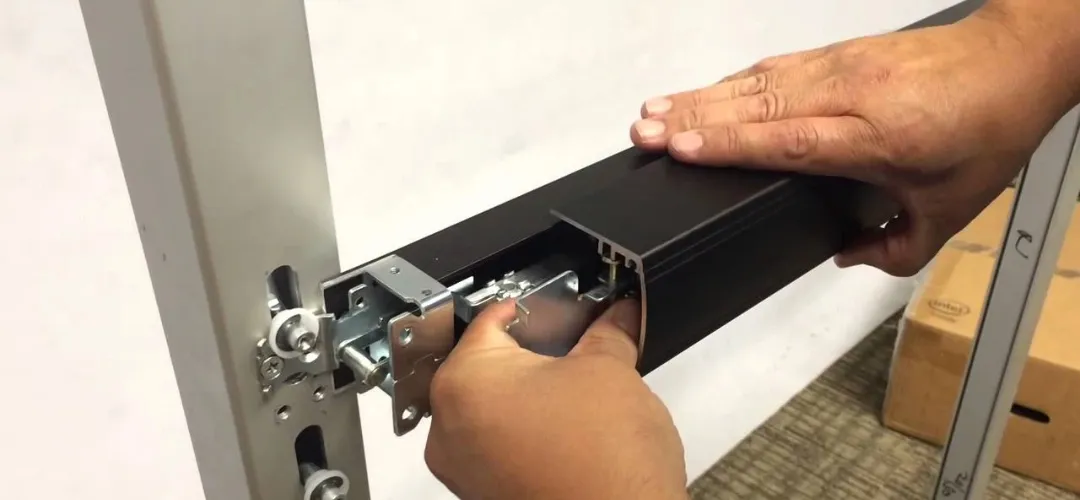
A panic bar is a heavy-duty exit device mounted across the inside of a door. Push it with your hand, hip, or body weight, and it retracts the latch so the door swings open.
The idea is simple. In a fire or emergency, people don’t stop to figure out a knob or a deadbolt. They push. A panic bar lets that natural reaction work.
Most panic devices have a few main parts:
- Push pad or touchpad. The bar you press.
- Latch or latchbolt. The piece that holds the door closed until the bar is pressed.
- Mechanism case. The internal housing that moves the latch.
- Strike plate. The plate on the door frame that receives the latch.
- Outside trim. A handle, lever, or key cylinder on the exterior, when access from outside is needed.
Even when the door is locked from the outside, the panic bar still lets someone inside exit at any time. That’s the point. Nobody should ever be trapped.
Push Bar vs. Panic Bar: Key Differences at a Glance
| Feature | Basic Push Bar | Panic Bar (Exit Device) |
| Main purpose | General door operation | Emergency egress |
| Safety testing | Not always tested | Designed and listed for life-safety use |
| Code compliance | Often does not meet exit requirements | Built to meet egress requirements |
| Strength | Lighter construction | Heavy-duty, commercial grade |
| Typical use | Interior or low-risk doors | Heavy-duty, commercial grade |
| Cost | Usually lower | Usually higher |
That last row is where mistakes start. A lower price tag can tempt a business owner to install a simple push bar on an exit door. It saves money up front, but it can cost you a failed inspection later.
Why Fire Codes and Building Codes Matter
Codes are the reason this comparison exists at all.
Building and fire codes generally require certain doors to open easily, without a key, special knowledge, or more than one motion. In many commercial spaces, that means panic hardware is required on certain exit doors, especially in buildings where many people gather.
Which spaces? It depends on things like occupancy type and how many people the room can hold. Assembly spaces, schools, and other high-occupancy areas are common examples. But exact rules vary by jurisdiction and code edition, so the local fire marshal or building department has the final say. Don’t rely on a general article, including this one, for a code decision on your building.
You’ll also see terms like UL listing or fire-rated on some devices. These mean the hardware has been tested by an independent lab. A fire exit hardware label is especially important on fire-rated doors, because the door and the hardware need to work as a system.
Types of Panic Bars and Exit Devices
Once you know you need panic hardware, the next question is which style fits your door. Here are the common types.
Rim Exit Devices
The latch sits on the surface of the door and catches on a strike mounted on the frame. It’s the most common style and works well for single doors.
Surface Vertical Rod Devices
These use rods that run up and down the door to latch at the top and bottom. They’re common on double doors with no center post.
Concealed Vertical Rod Devices
The rods hide inside the door for a cleaner look. They’re popular in schools and offices where appearance matters.
Mortise Lock Exit Devices
The lock body sits inside a pocket cut into the door edge. They’re strong and often used in high-traffic buildings.
Fire-Rated Exit Devices
These are built for fire doors, such as stairwell and corridor doors. They usually cannot be dogged, and they must match the door’s rating.
Because there are so many combinations, choosing the wrong style is one of the most common installation problems. A locksmith can match the device to your door type, width, and use.
What Does “Dogging” Mean on a Panic Bar?
You may hear the term dogging or a dogging device. It sounds odd, but it’s easy to explain.
Dogging holds the push bar in the “pressed” position so the latch stays retracted. That means the door stays unlatched during business hours, and people can pull it open without pushing the bar. It’s helpful for busy entrances, like a store during opening hours.
Here’s a practical example. A retail shop dogs its main door open all day, then undogs it at night so the door latches and locks. Dogging is usually allowed on certain doors, but not on fire-rated doors. Again, check with your local authority before you use it.
Common Places You’ll See Panic Bars
Panic hardware shows up in more places than most people realize. You’ll often spot it on:
- Restaurant and retail back exits
- School hallways and gym doors
- Office building stairwells
- Warehouse and factory exits
- Churches and event venues
- Medical offices and clinics
- Apartment building common areas
The pattern is simple. Where people gather or where a quick exit could matter, panic hardware usually belongs.
Common Mistakes Business Owners Make
This is where things get a little more complicated. A few mistakes pop up again and again:
- Choosing a push bar because it looks the same. Appearance isn’t the same as a rating or a listing.
- Installing the wrong device for the door type. A rim device on a door that needs a vertical rod system won’t work correctly.
- Chaining or locking exit doors. Never block or chain an emergency exit, even temporarily. It’s dangerous and it can be a serious code violation.
- Skipping maintenance. Bars loosen, springs wear out, and latches stick.
- Replacing a damaged device with a cheaper one. A broken panic bar should be replaced with hardware that meets the same requirements.
- DIY installation. The bar has to line up perfectly with the latch and strike, or it may not release when it counts.
Signs Your Panic Bar Needs Repair or Replacement
Panic hardware works quietly for years, so problems can creep up. Watch for:
- A bar that feels stiff, sticky, or hard to push
- A bar that doesn’t spring back
- A latch that doesn’t fully retract
- A door that doesn’t close and latch by itself
- Loose screws or a wobbly mounting
- Rust, wear, or cracks on the bar or case
- Trim that no longer works with the key or lever
- An alarm that no longer sounds properly, on alarmed models
Test your exit doors regularly. If it takes effort, hesitation, or a second try to open, that’s a warning sign.
What Affects the Cost of Panic Bar Installation?
There’s no single price, because several things change the total:
- Type of device. Rim, vertical rod, and mortise devices vary in price.
- Door material and condition. Steel, aluminum, and wood doors are prepared differently.
- Fire rating. Rated hardware usually costs more.
- Number of doors. Multiple doors may be more efficient to schedule at once.
- Extra features. Alarms, electric latch retraction, or access control add cost.
- Existing hardware. Removing an old device and repairing the door can add labor.
A professional can inspect your doors and give you an accurate quote.
Which One Should You Choose?
Ask yourself three questions:
- Is this door an exit for the public or for a large group? If yes, you likely need panic hardware.
- Is the door fire-rated? If yes, the hardware must be fire-rated too.
- Does my local code require it? When in doubt, check with your fire marshal or building department.
For low-risk interior doors, a simple push bar may be enough. For any door that’s part of your emergency exit path, choose a real panic device and have it installed properly.
Get the Right Exit Hardware for Your Business
The push bar vs. panic bar question comes down to purpose. A push bar is a general term for a bar you press. A panic bar is a tested, code-minded exit device built to get people out safely when it matters most. Knowing the difference helps you pass inspections, protect your staff and customers, and avoid paying twice for the wrong hardware.
So the next time you’re looking at an exit door and wondering if the hardware is right, reach out to Klever Locksmith. We provide professional push bar and panic device installation, backed by a team with the experience to match the right device to your door and your building. Call 323 393 8056 or visit https://kleverlocksmith.com/push-bar-and-panic-device-installation/ to learn more about how we can help you.
Frequently Asked Questions
Is a crash bar the same as a panic bar?
Yes. “Crash bar,” “panic bar,” “exit device,” and “panic device” all describe the same type of emergency exit hardware. The names vary by region and by who you ask.
Do all commercial doors need panic bars?
No. Requirements depend on occupancy type, room capacity, and local codes. Many interior doors don’t need them, but certain exit doors in busy buildings usually do.
Can a panic bar be locked from the outside?
Yes. The outside can be locked to prevent entry, but the bar must still let people exit from the inside at all times without a key.
Can I install a panic bar myself?
It’s possible, but not ideal. Exact alignment, door preparation, and code compliance all matter. A small error can keep the device from working in an emergency.
How often should panic bars be inspected?
Check them often, and have a professional inspect them at least once a year. Buildings with heavy traffic may need more frequent checks.