Your fire inspection is in three days. The inspector already flagged that back exit door, and now you are staring at it, wondering how long the whole fix will take. Will it eat your whole afternoon? Your whole day?
Here is the thing. Most people calling around have no idea how long does panic bar installation take, and the answers they get swing wildly. One company says an hour. Another says half a day. So which is it?
The honest answer is: it depends. Some installs wrap up in under two hours. Others stretch across most of the day. This guide breaks down the real timelines, what slows things down, and how to plan around it.
The Quick Answer
Let’s skip the suspense, because you came here for a number.
For a standard replacement or retrofit, expect 1 to 4 hours per door. A fresh install on a brand new door, a double-door setup, or a glass storefront can push that to 4 to 8 hours.
The average time for emergency exit device installation lands somewhere in the middle, but it bends based on a handful of things: the door material, whether the door was already prepped, the fire rating, and the type of hardware going on. A simple swap on a metal door that already has the right holes drilled? Fast. A first-timer on a glass door tied into an alarm? Settle in.
Here is a snapshot before we dig deeper:
| Situation | Realistic Time |
| Standard replacement (prepped door) | 1 to 2 hours |
| Fresh install on a new door | 4+ hours |
| Double doors | 3 to 6 hours |
| Glass storefront retrofit | 3 to 5 hours |
| Tied into access control or alarms | Add 1 to 3 hours |
What Is Actually Being Installed
Before we talk timing by type, it helps to know what these terms even mean. People throw them around like they are all the same thing. They are not, but they do overlap.
A push bar is exactly what it sounds like: a horizontal bar you press to open the door. Push bar and panic device installation covers the whole family of these setups, from the simplest bar to the most code-heavy build. When folks search for panic bar installation or exit device installation, they usually mean the same job: mounting that bar so the door opens instantly when someone pushes on it.
Here is where the words split apart a little:
- Push bar door installation often refers to the basic mechanical bar with no electronics.
- Emergency exit device installation leans toward code-required hardware on exit routes.
- Panic hardware installation is the umbrella term covering all the latching, trims, and rods that make the thing work.
So you might have a plain bar, a code-compliant exit device, or a fancier setup wired into a keypad or alarm. Each one adds steps. And each step adds minutes.
Typical Installation Time by Device Type
This is the part that actually answers your question, because not every panic device installs the same way. The bar might look similar from across the room, but what is happening behind it changes everything about the clock.
Rim Exit Device
The rim exit device is the workhorse. It is the most common type and the quickest to install.
Why? Because it is simple. The mechanism mounts right on the surface of the door, and the latch catches a strike plate on the frame. No drilling deep into the door edge. No rods running up and down. Just mount, align, test, done.
On a standard commercial door that is already prepped, you are looking at 1 to 2 hours. If you have ever wondered how quickly a push bar can be installed on an exit door, the rim device is your best-case answer.
Surface Vertical Rod (SVR)
Step up in complexity and you hit the Surface Vertical Rod (SVR).
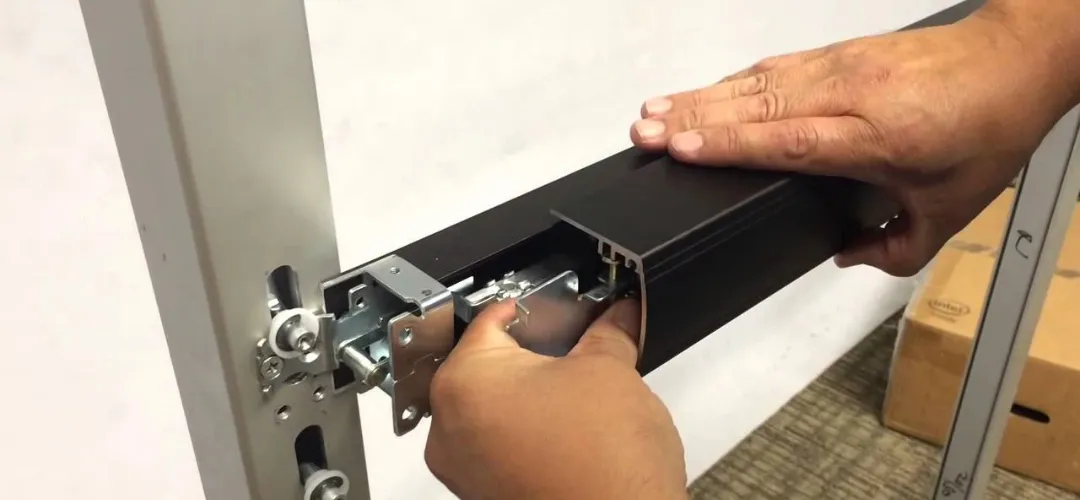
Instead of latching into the side of the frame, this one runs visible rods up to the top of the door and down to the bottom. Both ends latch. That double latching is great for security, but it means more alignment work. The rods have to hit their strikes cleanly every single time.
Because of that, plan on 2 to 4 hours. SVR devices show up a lot on paired doors, where two doors meet in the middle with no center post. That is exactly the kind of opening where rod alignment gets fussy.
Concealed Vertical Rod (CVR)
Now hide those rods inside the door, and you get the Concealed vertical rod (CVR).
It looks cleaner because nothing is exposed. But clean looks cost time. The rods live inside the door body, so the door needs special prep, and adjusting them later means working blind. Getting top and bottom latches to seat perfectly takes patience.
Expect this to run on the longer side, often 3 to 5 hours or more, especially if the door was not built for concealed hardware to begin with.
Mortise Exit Devices
Last up, the heavy hitters. Mortise exit devices combine a panic bar with a mortise lock body tucked into a pocket cut into the door edge.
These take the most prep. The installer has to align the mortise lock body, fit it into the door edge, and tie it in with the rest of the commercial door hardware installation on that opening. If the pocket is not already cut, that is real labor.
Budget 3 to 6 hours, sometimes more on older doors that fight every adjustment.
Here is the lineup at a glance:
| Device Type | Complexity | Typical Time |
| Rim exit device | Lowest | 1 to 2 hours |
| Surface vertical rod | Moderate | 2 to 4 hours |
| Concealed vertical rod | High | 3 to 5 hours |
| Mortise exit device | Highest | 3 to 6 hours |
What Affects the Time
So you have seen the device types. But the device is only half the story. Two identical rim bars can take wildly different amounts of time depending on the door they land on.
Let’s talk about what affects panic bar installation time, because this is where estimates fall apart.
- New install vs replacement. Swapping out old hardware is faster than starting from scratch. A fresh door needs measuring, drilling, and prepping from zero.
- Door material. A hollow metal door behaves differently than wood, and glass storefronts are a whole other animal that needs specialized mounting hardware so the glass does not stress and crack.
- Single vs double door. Two doors mean double the alignment, plus a center mullion or coordinator to deal with.
- Fire-rated openings. These demand UL-listed parts and precise fitting, which we will get into below.
- Existing hardware. Rusted, broken, or mismatched locks have to come off first, and stubborn old hardware can burn half an hour before the real work even starts.
- Old holes and mismatched prep. Retrofitting onto a door with holes in the wrong spots means filler plates and creative problem-solving.
- Access control wiring. Tie the bar into electric strikes, keypads, or alarms, and you add wiring and testing time.
- Dogging, trims, and alarms. Each add-on is another component to mount and verify.
This is also exactly why “how long does it take to install a panic bar on a commercial door?” never has one clean answer. The door tells you the timeline as much as the bar does.
Code, Fire Rating, and Safety
Now for the part that quietly eats more clock than people expect: getting everything to pass.
A panic device is not just a door safety bar for show. It is life safety hardware. When a room full of people needs to get out fast, that bar has to release instantly under pressure. Codes like the NFPA 101 Life Safety Code spell out exactly how that has to work.
A few of the rules that shape the timeline:
- The bar must mount between 34 and 48 inches from the floor.
- It has to release with 15 pounds of force or less.
- Fire-rated doors need UL-listed hardware, and every piece- the door, the frame, and the device- has to keep its rating intact.
- The latch has to operate cleanly so the door both secures and opens on demand.
A fire exit door push bar installation takes longer precisely because of this. The installer is not just hanging hardware. They are fitting it so the whole opening still meets code and sails through inspection. Rushing that is how you fail an inspection and pay twice.
How to Prepare for a Faster Installation
Want to shave time off the job? You actually have more control than you think. A little prep on your end means the technician spends time installing instead of investigating.
Before the appointment:
- Confirm the door type and dimensions. Metal, wood, or glass, and the rough size.
- Identify the fire rating. Check the label on the door edge if there is one.
- Snap a few photos. Send shots of the door, the frame, and any existing hardware ahead of time.
- Note single or paired. One door or two makes a big difference.
- Flag any electronics. Alarms, access control, or keypads should be mentioned upfront.
- Mention existing hardware problems. Rusted locks or odd holes are good to know in advance.
- Clear the area. Move furniture, signage, or anything blocking the door.
Do this and you turn a guessing game into a smooth visit. It is the easiest way to keep your commercial panic bar installation moving without surprises. The same prep helps whether you need a full push bar door system setup or a quick fix.
The Bottom Line
So where does all this leave you? Timing for push bar door installation comes down to three things: the device type, the condition of your door, and the code requirements riding on top.
Quick recap:
- Rim devices are usually the fastest, often done in 1 to 2 hours.
- SVR and CVR setups take longer thanks to rod alignment.
- Mortise and fire-rated jobs need the most precision.
- A rushed install can mean failed inspections and safety risks, which costs more in the end.
And sometimes you do not need a full replacement at all. If the bar just sticks or the latch drifts out of alignment, exit device repair and installation can fix it in a fraction of the time a brand-new build would take. Always worth asking before you commit to a full swap.
If your inspection is looming or that exit door is acting up, do not gamble on a guess. Reach out and let Klever Locksmith Services size up your door, give you a real timeline, and get it done right the first time.
Frequently Asked Questions
How long does panic bar installation usually take?
It typically takes 1 to 4 hours per door, depending on the door type and hardware condition.
Can a panic device be installed in one day?
Yes, most installations are completed within a few hours and always within the same day.
What affects panic bar installation time?
The main factors are door material, device type, fire rating, and existing hardware condition.
Is replacing a panic bar faster than installing a new one?
Yes, replacements are usually faster, especially if the door is already properly prepped.
Do fire-rated doors take longer to install panic devices on?
Yes, because they require code-compliant, UL-listed hardware and precise installation.