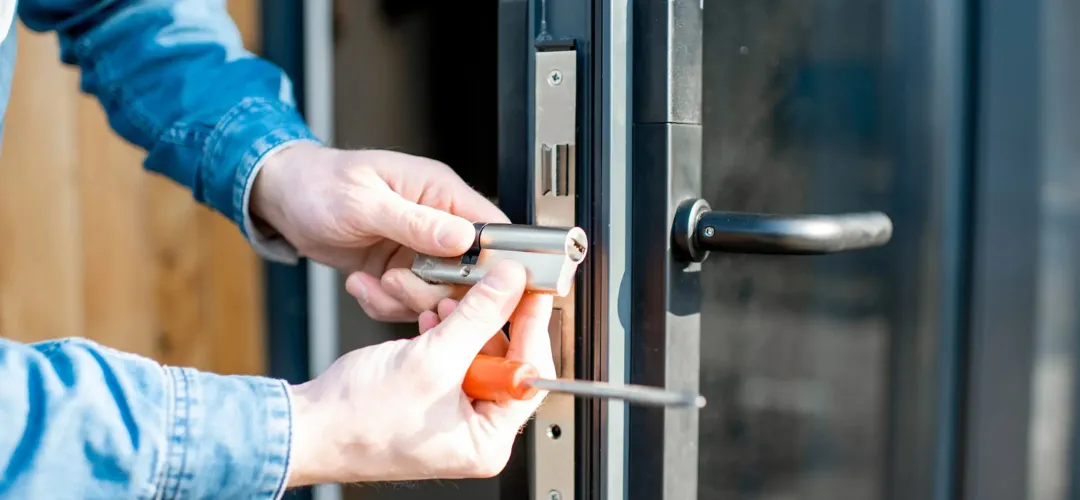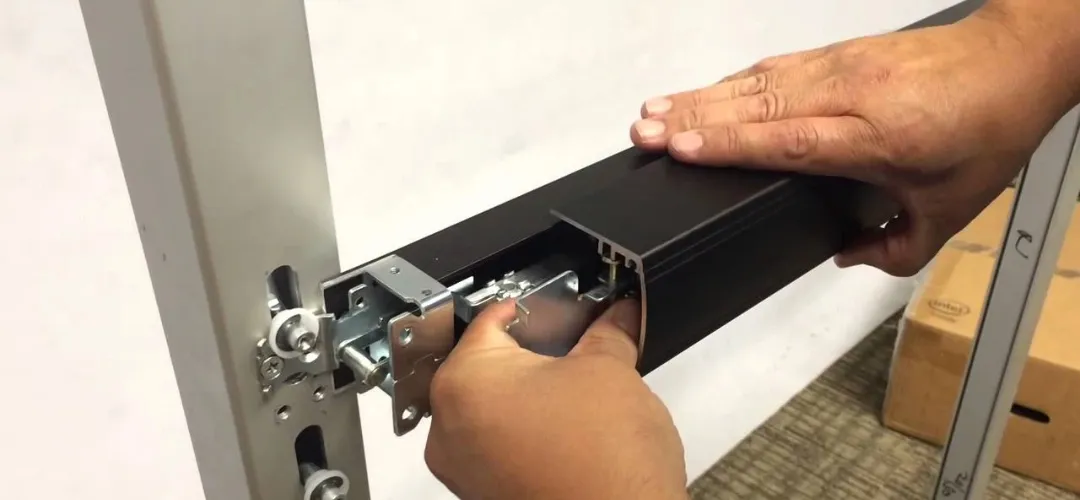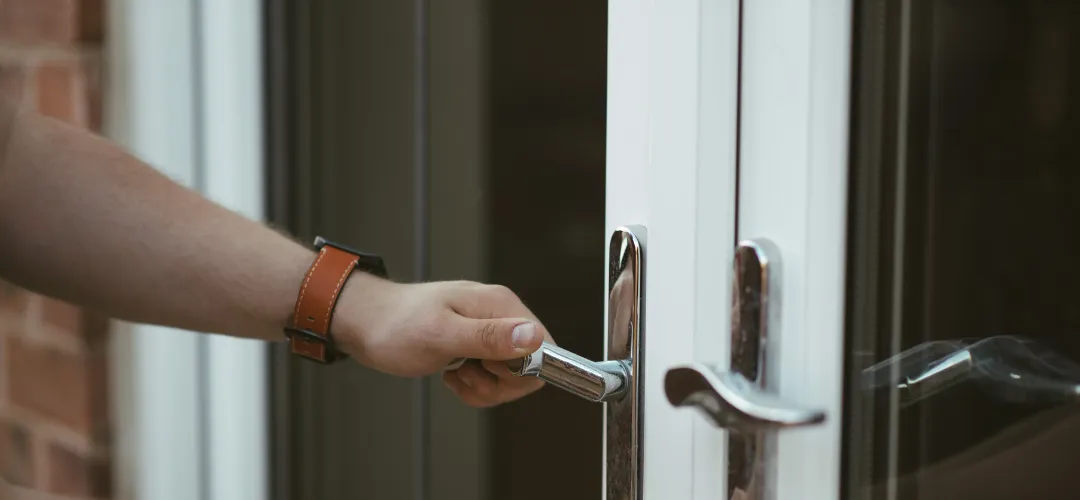
A good residential locksmith can fix most lock problems fast, but only if you catch the warning signs early. The trouble is that most of us don’t notice a failing lock until it is too late.
Imagine it is raining, your hands are full of groceries, and your key will not turn. You jiggle it. You push the door. You jiggle it again. That frustrating moment was probably months in the making, and your lock was trying to tell you something the whole time.
Here are 11 common home lock problems, what causes them, and when it is time to stop fighting with the lock and call a pro.
1. Your Key Sticks or Is Hard to Turn
A key that drags, catches, or needs extra force is the most common early warning. Inside the lock cylinder (the round part your key slides into) are tiny pins that line up when the right key goes in. Dirt, dust, rust, or worn pins can stop them from lining up smoothly.
It may start as a minor annoyance, but forcing it is a mistake. Too much pressure can snap the key inside the lock or damage the pins for good.
A small amount of graphite powder or dry lock lubricant can help in the short term. Oil-based sprays tend to attract dust and gum things up later. If the problem keeps coming back, the cylinder likely needs service.
2. Your Key Is Worn Out or Breaks Off in the Lock
Keys wear down, especially if you use them every day. A key that is a copy of a copy of a copy may also be slightly off, which makes it harder to turn and harder on the lock.
If a key snaps off in the lock, do not try to dig it out with a pin or knife. That often pushes the piece deeper. A residential locksmith has extraction tools made for this job and can often save the lock itself.
Here is a simple tip: if your key looks worn, smooth, or bent, get a fresh copy made from the original before it breaks.
3. The Doorknob or Deadbolt Feels Loose
A wobbly knob, handle, or deadbolt is more than an annoyance. Loose screws or worn internal parts can let the lock shift every time you use it, which weakens it further.
Sometimes tightening the mounting screws solves it. If the lock still moves, or if it keeps loosening, the internal parts may be worn out.
And a loose lock is easier to force open. That is why this one deserves attention sooner rather than later.
4. The Deadbolt Won’t Fully Extend or Line Up
A deadbolt is the thick metal bolt that slides from the door into the frame. If you have to lift, push, or slam the door to make it lock, you have an alignment problem.
The usual cause is a shifting door. Houses settle, hinges loosen, and wood swells with humidity, so the bolt no longer meets the strike plate. The strike plate is the metal plate on the door frame that the bolt slides into.
If the bolt only half-engages, your door is not truly locked. A locksmith can adjust the strike plate, tighten the hinges, or fix the alignment so the bolt goes in cleanly.
5. The Lock Jams or Freezes in Extreme Weather
Cold weather can freeze moisture inside a lock. Heat, rain, and humidity cause rust and swelling. In either case, a lock that worked fine last month can suddenly refuse to cooperate.
A jammed lock may also come from dirt buildup or a part that has started to fail. If it keeps happening, the weather is probably just revealing a deeper issue.
Avoid pouring hot water into a frozen lock. It can refreeze and make things worse. Lubricant made for locks or a call to a locksmith is a safer choice.
6. The Key Turns, But the Door Won’t Open
This one is scary. The key moves, you hear a click or feel nothing at all, but the latch or bolt stays put.
It usually means something inside the lock has broken, like the tailpiece, cam, or spindle. In simple terms, these are the small parts that carry the turning motion from your key to the bolt. When one of them fails, the key spins without moving anything.
Don’t keep forcing it. This is a good time to call a residential locksmith for lock repair, because the wrong move can lock you out or damage the door.
7. You See Scratches, Pick Marks, or Signs of Tampering
Look closely at your locks. Fresh scratches around the keyhole, bent metal, gouges in the door frame, or a lock that suddenly feels different may mean someone tried to get in.
A lock that has been tampered with can be weakened even if the door did not open. Do not assume it is fine just because it still turns.
Have a professional inspect it. Depending on the damage, the fix may be repair, rekeying, or lock replacement.
8. Your Smart Lock or Keypad Lock Acts Up
Keypad deadbolts and smart locks are convenient, but they bring their own problems. Dead batteries are the most common cause. Others include a slow or unresponsive keypad, lost wireless connection, motor trouble, or a lock that will not recognize your code.
Try fresh batteries first, since that solves many issues. If it keeps glitching, the problem may be the motor, the wiring, the software, or the way the lock lines up with the door.
Many locksmiths install and service smart locks, so you do not have to replace the whole thing every time something goes wrong.
9. You Lost Keys or Never Changed Locks After Moving In
This one is easy to overlook because nothing is physically broken. But think about it. If you bought a house, who else has a key? Previous owners, contractors, real estate agents, neighbors, maybe a long-gone roommate.
The same goes for lost keys. Even if you think you dropped them somewhere harmless, you cannot be sure who found them.
The solution is often rekeying. That means changing the internal pins of your existing lock so old keys no longer work and a new key does. It is usually quicker and less expensive than buying all new hardware, and it can be done for every exterior door so they all use the same key.
10. The Door Won’t Latch or Unlocks by Itself
A door that bounces open, will not stay closed, or does not click into place has a latch problem. The latch is the small spring-loaded piece that catches when the door shuts.
Common causes include a worn latch, a misaligned strike plate, loose hinges, or a door that has warped or sagged. Sometimes the door itself needs adjustment, not just the lock.
If the door will not latch reliably, anyone can push it open. Treat it as a security issue, not just a nuisance.
11. Your Locks Are Old, Cheap, or Simply Outdated
Some locks are not broken. They are just not very good. Builder-grade hardware installed when your home was built may use weak parts, short screws, or basic designs that are easier to bypass.
Locks in the U.S. are often rated by ANSI/BHMA grades, with Grade 1 being the strongest and Grade 3 the lightest-duty residential rating. Higher-grade locks are generally built with tougher materials and tested for more wear and force.
A few upgrades make a real difference:
- A Grade 1 or Grade 2 deadbolt on exterior doors
- A reinforced strike plate with long screws that reach into the wall stud, not just the thin door frame
- High-security cylinders that resist picking and bumping
- Smart locks with keypad, app, or auto-lock features for added convenience
A residential locksmith can look at your doors and suggest practical upgrades without selling you things you do not need.
When Should You Call a Residential Locksmith Instead of Fixing It Yourself?
Not every problem needs a professional. Tightening a loose screw, changing batteries, or applying graphite are fine for most homeowners.
Call a home locksmith when:
- The key breaks off or turns without opening the door
- You see signs of tampering or a break-in attempt
- The lock keeps failing after basic fixes
- You are locked out
- You lost keys or moved into a new home
- You want to rekey, upgrade, or install new locks
There is a practical side too. A DIY fix that goes wrong can leave you with a broken lock, a damaged door, and a bigger bill. A trained lock technician has the tools and experience to do it right the first time.
Get Locksmith Help Before a Small Problem Becomes a Lockout
Here is the bottom line. Your locks protect your family, your belongings, and your peace of mind, so small warning signs are worth taking seriously. A sticky key, a loose handle, or a door that will not latch is rarely just “one of those things.”
If you are dealing with any of these issues, or you just want to know your home is secure, reach out to Klever Locksmith Services. We provide professional residential locksmith services, backed by a team that can repair, rekey, replace, and upgrade your locks the right way. Call 323 393 8056 or visit https://kleverlocksmith.com/residential-locksmith/ to learn more about how we can help you.
Frequently Asked Questions About Residential Lock Problems
How do I know if my lock needs to be replaced or just repaired?
If the damage is minor, like a worn pin or loose part, repair usually works. If the lock is old, badly damaged, or low quality, replacement is often the safer long-term choice.
What is the difference between rekeying and replacing a lock?
Rekeying changes the inside of the lock so a new key works and old ones do not. Replacement swaps the entire lock. Rekeying is usually cheaper when the hardware is still in good shape.
Why does my key get stuck in the lock?
Common reasons include dirt, rust, worn pins, a bent key, or a damaged cylinder. Avoid forcing it. A locksmith can clean, repair, or replace the cylinder to fix it.
How often should I check my home locks?
A quick look every few months is smart. Test each lock, tighten loose screws, check for smooth turning, and watch for wear. Check them sooner after a move, storm, or break-in attempt.
Can a locksmith fix a smart lock?
Often, yes. Many locksmiths handle smart lock installation, battery issues, alignment, and basic troubleshooting, though some brands and models may need manufacturer support for certain problems.